Please select Menu Source

HOW LONG DOES IT TAKE TO GET PERMANENT RESIDENCY FOR A SPOUSE IN AUSTRALIA?

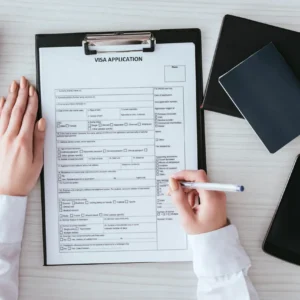
For many couples, gaining permanent residency in Australia marks the beginning of a stable future together. The journey usually starts with applying for a Partner Visa (subclass 820/801 for onshore or 309/100 for offshore). Each stage requires careful preparation, strong evidence of a genuine relationship, and patience, as processing times can vary. Understanding the steps ahead helps couples plan their lives with greater confidence and reduces the stress of uncertainty.

When applying for spouse PR in Australia, it’s natural to feel anxious about how long the process will take and when you’ll finally be able to move forward in your life together without uncertainty. For many couples, the waiting period can feel stressful, as permanent residency represents stability, security, and the ability to plan a future without restrictions. Understandably, one of the most common questions applicants ask is: How long does it take to get permanent residency for a spouse in Australia?

The truth is, there isn’t a single answer. Every application is different, and processing times vary depending on multiple factors such as the type of visa applied for, the completeness of the application, and whether there are any complexities in the applicant’s personal or immigration history. Some applications move relatively quickly, while others take longer due to backlogs, missing information, or additional checks required by the Department of Home Affairs.

While this uncertainty can be challenging, having a clear understanding of the partner visa pathway, the typical timelines involved, and the reasons delays occur can help you feel more prepared. In this guide, we break down the process, highlight factors that influence waiting times, and share practical steps to help keep your application on track.

Need Help?

Reach out to us for guidance on your Permanent Residency application with a free consultation.

*Free consultation is limited to 15 minute phone call for us to give preliminary advice

Partner Visa Pathway Overview

Australia’s partner visa pathway follows a two-stage structure. First, applicants apply for a temporary visa: Subclass 820 for those applying from within Australia, and Subclass 309 for offshore applicants. These temporary visas allow you to live, work, and usually study in Australia while your relationship is assessed.

After about two years, and provided your relationship remains genuine, you become eligible for the permanent visa: Subclass 801 for onshore holders or Subclass 100 for offshore holders. Departmental assessment during this second stage confirms the ongoing nature of the partnership before granting permanent residence.

Current Processing Times

As of mid-2025, the processing time for partner visas in Australia continues to vary depending on several factors, including the visa stream and individual circumstances. According to the latest figures from the Department of Home Affairs, the median processing time for partner visa applications is approximately 16 months. However, this can shift depending on whether the application is lodged onshore or offshore, the complexity of the case, and how complete the initial application is.

Offshore applicants (Subclass 309 leading to 100):

  • Temporary visa (Subclass 309): 9–13 months
  • Permanent residency (Subclass 100): 13–32 months

Onshore applicants (Subclass 820 leading to 801):


Independent migration law firms also report that:

  • 50% of Subclass 820 applications are processed within 12 months, while 90% are finalised within 29 months.
  • 50% of Subclass 801 applications are processed within 8 months, with most completed within 26 months.
  • Offshore Subclass 309 applicants can expect 50% of decisions within 14 months, and 90% within 26 months.

These figures highlight how important it is to provide complete, accurate information from the start. Even a small oversight, such as missing documentation or unclear relationship evidence, can cause significant delays.

Factors Affecting Processing Speed

  • Completeness of Application & Quality of Evidence: Submitting a complete application with strong evidence of your relationship, including shared finances, photos, communication records, and affidavits such as Form 888, can substantially speed up processing. Incomplete forms or weak documentation invite additional requests that delay decisions.
  • Health Checks, Police Certificates, and Sponsor Issues: Delays often arise from pending health clearances, police certificates, or issues related to sponsor eligibility. Processing times depend in part on external agencies, and delays in receiving certificates can stall your application.
  • Case Complexity & Administrative Backlog: Applications involving previous refusals, complex travel or immigration histories, or countries under scrutiny may face additional checks. Similarly, a growing backlog in partner visa applications increases overall processing times. By September 2024, the backlog stood at 76,128 cases, which continues to put pressure on processing speeds.

Checking Status and Responding to Additional Information

You can track your visa application through ImmiAccount’s tracking tool, which provides visibility into your application status and any departmental requests. Responding swiftly, ideally within days, helps limit delays. Uploading further evidence of your ongoing relationship while the application is lodged can also help reinforce your case.

Expediting Options

The Department of Home Affairs generally processes partner visas in the order they are received, and there is no standard fast-tracking option. However, in limited cases involving compassionate or humanitarian grounds — such as medical emergencies, family separation involving children, or safety risks — applicants can request priority processing with strong supporting evidence.

It’s important to note that common reasons like travel plans, job offers, or school enrolments usually aren’t considered valid for expedited handling. Submitting a request without a compelling justification can delay the process or attract additional scrutiny.

If you believe your situation warrants urgent consideration, consult an immigration lawyer. They can assess your eligibility for priority, prepare the necessary documentation, and communicate directly with the Department to support your case.

How a Lawyer Can Help Expedite Your Spouse’s PR Application

While no lawyer can guarantee faster processing, having experienced legal support can significantly reduce avoidable delays in your partner visa journey. A well-prepared application from the outset, complete with strong, well-organised relationship evidence, can prevent costly setbacks and unnecessary requests for additional information.

A lawyer or migration agent can make a practical difference by:

  • Lodging a meticulously accurate and complete visa application from the outset


  • Ensuring evidence is thorough, clearly organised, and relationship-focused


  • Liaising proactively with Home Affairs to address queries and provide updates


  • Evaluating whether and when a priority request is justifiable, and submitting it if warranted


Example: One client experienced a 10-month delay due to missing police checks. A lawyer fast-tracked those checks, communicated directly with the Department, and shortened the wait by three months.

At CMI Legal, our immigration lawyers take a proactive approach to partner visa matters. We assist with lodging error-free applications, reviewing evidence for completeness and relevance, and responding promptly to Department queries. We also assess whether your case may qualify for priority processing and, if so, prepare and submit formal requests with all necessary documentation.

Why Visa Timeframes Vary & Case Snapshot

Understanding why timelines vary helps set realistic expectations. You can think of the partner visa process as both procedural and relational. Home Affairs must verify the legitimacy and durability of your relationship through documentation and checks. A missing document or slight inconsistency can trigger further review.

Case example: One client applied offshore (Subclass 309) but overlooked providing a clear statement of a shared lease and a Form 888. Their application stalled for nine months. Once the documents were provided, the temporary visa was granted, and the permanent application (Subclass 801) concluded in another 14 months.

Conclusion

Getting a spouse’s permanent residency in Australia takes time, but being well-prepared can make the journey smoother. Most applications take between 12 and 29 months, depending on whether they are lodged onshore or offshore and how complete the submission is. Providing strong relationship evidence, responding quickly to requests, and completing health and police checks without delay can help avoid setbacks. While no lawyer can guarantee faster results, professional guidance can reduce risks and ensure accuracy. With patience, preparation, and the right support, you and your spouse can look forward to a secure future together in Australia.

FAQs

Processing times vary, but most partner visa applications take between 12 to 29 months, depending on the visa type (onshore or offshore), completeness of your application, and current Department backlogs.

Yes. Once your temporary partner visa (Subclass 820 or 309) is granted, you can live and work in Australia while waiting for the permanent stage.

Key documents include joint financial records, proof of cohabitation, communication logs, photos together, social recognition of the relationship, and signed Form 888 declarations from friends or family.

You can check your application status through Immi Account, the online portal provided by the Department of Home Affairs. You’ll receive updates and can respond to any requests for further information.

While lawyers can’t guarantee faster processing, they can significantly reduce delays by ensuring your application is complete, the evidence is strong, and all departmental queries are handled promptly and professionally.

Priority processing is only granted in exceptional situations, typically on compassionate, medical, or humanitarian grounds. Routine circumstances generally do not qualify.

Our Latest Blogs

Clear Filters

How Can a Lawyer Help with Your Partner Visa Application?

Expert civil litigation and dispute resolution services to help resolve legal conflicts efficiently and effectively. Protect your rights with professional legal guidance.

How Long Does It Take To Get Pr After An 820 Visa?

Wondering how long it takes to get PR after an 820 visa? Learn about the process, timelines, and key steps to secure your permanent residency in Australia.

Can My Partner Cancel My Visa in Australia?

Worried your partner can cancel your visa? Learn the truth about visa cancellations, relationship breakdowns, and your legal rights in Australia.

Partner Visa: Important Points And Requirements

A Partner Visa is a special category of visa designed for individuals seeking to join their partners in a foreign country.

OUR PARTNER VISA LAWYER REVIEWS

Our Happy Clients

Explore Our Comprehensive Legal Services

Get a Quick Quote

Immigration Lawyer page form

Book a consultation

Our qualified immigration lawyers offer paid consultations to guide you through your visa or migration journey. Choose a 15-minute session for quick legal advice or a 45-minute consultation for a deeper review of your case, tailored recommendations, and strategic guidance.

Preliminary Migration Law Consultation

Comprehensive Migration Law Consultation

Distribution Template Free Download

Distribution Agreement Template
Address:
Suite 904, 10 Help Street Chatswood NSW 2067
Phones:
Phone: +61 02 8386 8592
Working Hours:
Monday-Friday: 9:00 – 17:00 Saturday-Sunday: Closed

Book a consultation

Our expert migration lawyers offer paid consultations to suit your needs—choose a quick 15-minute session for general advice or a comprehensive 45-minute session for in-depth discussion and tailored guidance.

Preliminary Migration Law Consultation

Comprehensive Migration Law Consultation